The shared journey of the Croatian Community Centre (Qld) Limited and Brisbane Knights FC is
one of identity, resilience, and unity. From the earliest football teams formed by Croatian migrants in
the 1950s to the modern Club that stands proudly in Rocklea today, this community has worked
tirelessly to build a cultural and sporting institution that spans generations.
What began with a handful of hopeful migrants seeking familiarity in a new country has grown into one
of Queensland’s most vibrant ethnic community hubs. The Croatian Community Centre is not just a
place - it is a home for culture, football, tradition, and belonging.
1950s
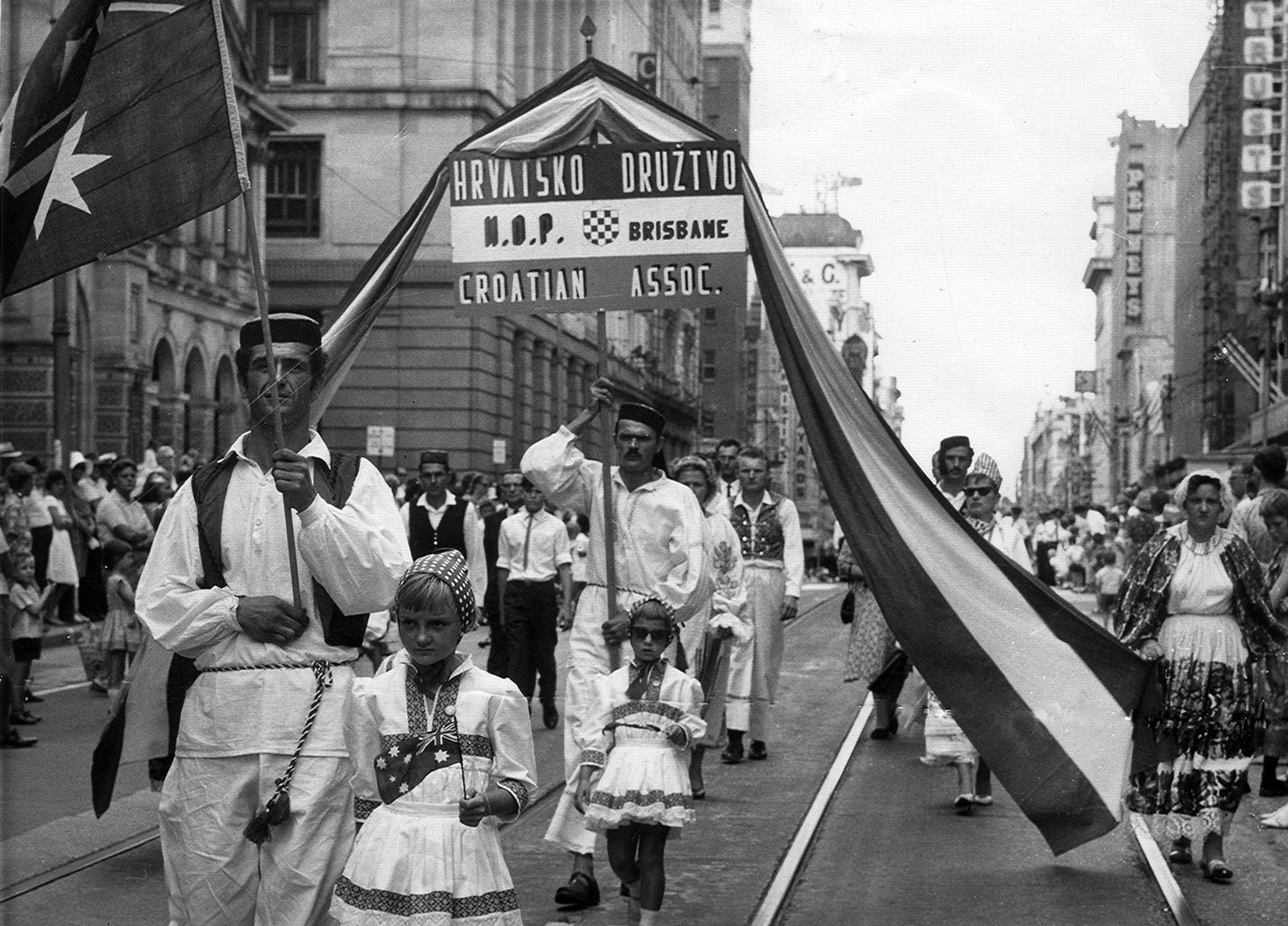
Croatian migrants arriving to Brisbane brought with them a deep love for football. In the early 1950s, they formed one of the first ethnically based football teams in the city. Though the 1952 side was short-lived, it ignited the desire for a permanent club.
On 15 May 1957, the community formally registered a Croatian football team - laying the first
foundation stones of what would eventually become 2 entities, Croatian Community Centre (the
Croatian Club Brisbane) and Brisbane Knights Football Club.
Football became more than sport. It became a way for migrants to stay connected to each other, their
culture, and the memories of home.
1970s
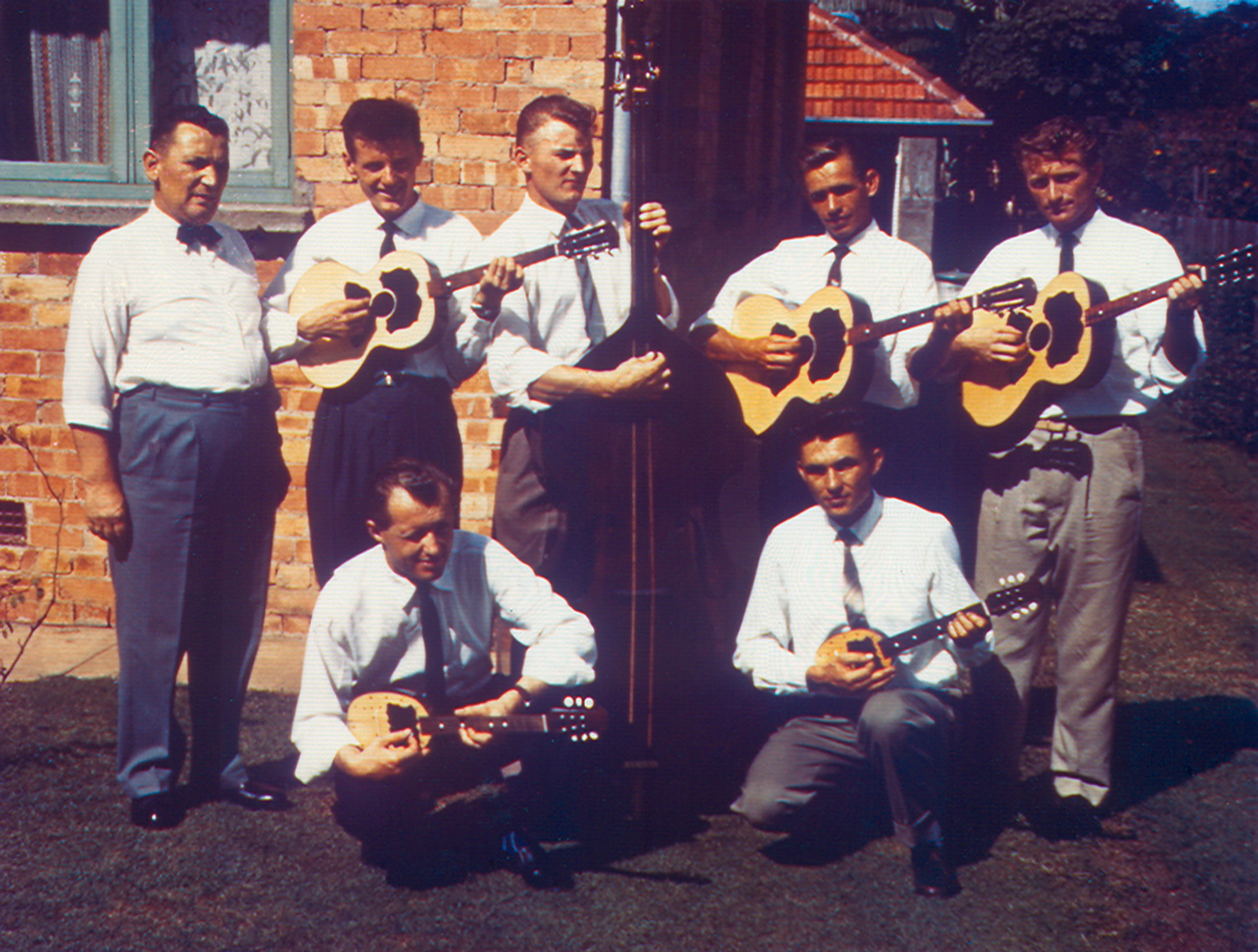
After an initial attempt to register a new team in 1970, Croatian migrants succeeded the following year, founding New Farm Soccer Club in 1971.
In 1975, after attempting to secure land in Sunnybank, the Club applied to change its name to Sunnybank United. A clerical error changed the name to Sunnyside United — and it stuck. Despite the name mishap, the Club’s purpose and pride only grew stronger.
In 19 October 1979, the club was oficially registered as a non-for-profit company limited by guarantee.
Though the Club succeeded on the field, it lacked a permanent base. Everything changed in late
1979, when community members met at the Shafton Hotel and voted to buy 52 acres of land in
Rocklea for $46,000.
Volunteers — carpenters, concreters, labourers, and families, built the first clubhouse and pitch with
their own hands, supported in part by government grants. Many of those original volunteers also
donated their own money and countless hours to help establish the Club, becoming Foundation
Members whose names are proudly displayed on the honour board in the Club’s entrance hall.
By 1980, football was being played on the Rocklea fields for the first time.
This land would become the heart of the Croatian community in Brisbane, home to culture,
football, celebrations, and countless memories for decades to come.
2000 - Present
The floodwaters destroyed parts of the clubhouse, fields, equipment, and facilities. Yet within days, members returned - shovels in hand, boots on, ready to rebuild. Volunteers of all ages worked side by side, clearing mud, salvaging equipment, and repairing damage. Their efforts ensured that the Centre reopened far sooner than expected.
2021 Brisbane Flood Event A decade later, the community faced flooding again. Once more, members rallied — young and old, footballers, parents, cultural groups, volunteers - united in a massive cleanup effort. These events showed the true spirit of the Croatian Community Centre: when things are at their worst, the community is at its best.